
Three days a week, forty minutes a session, is enough for most adults to get stronger, and the workout split that makes those three days actually happen looks almost nothing like the six-day programs
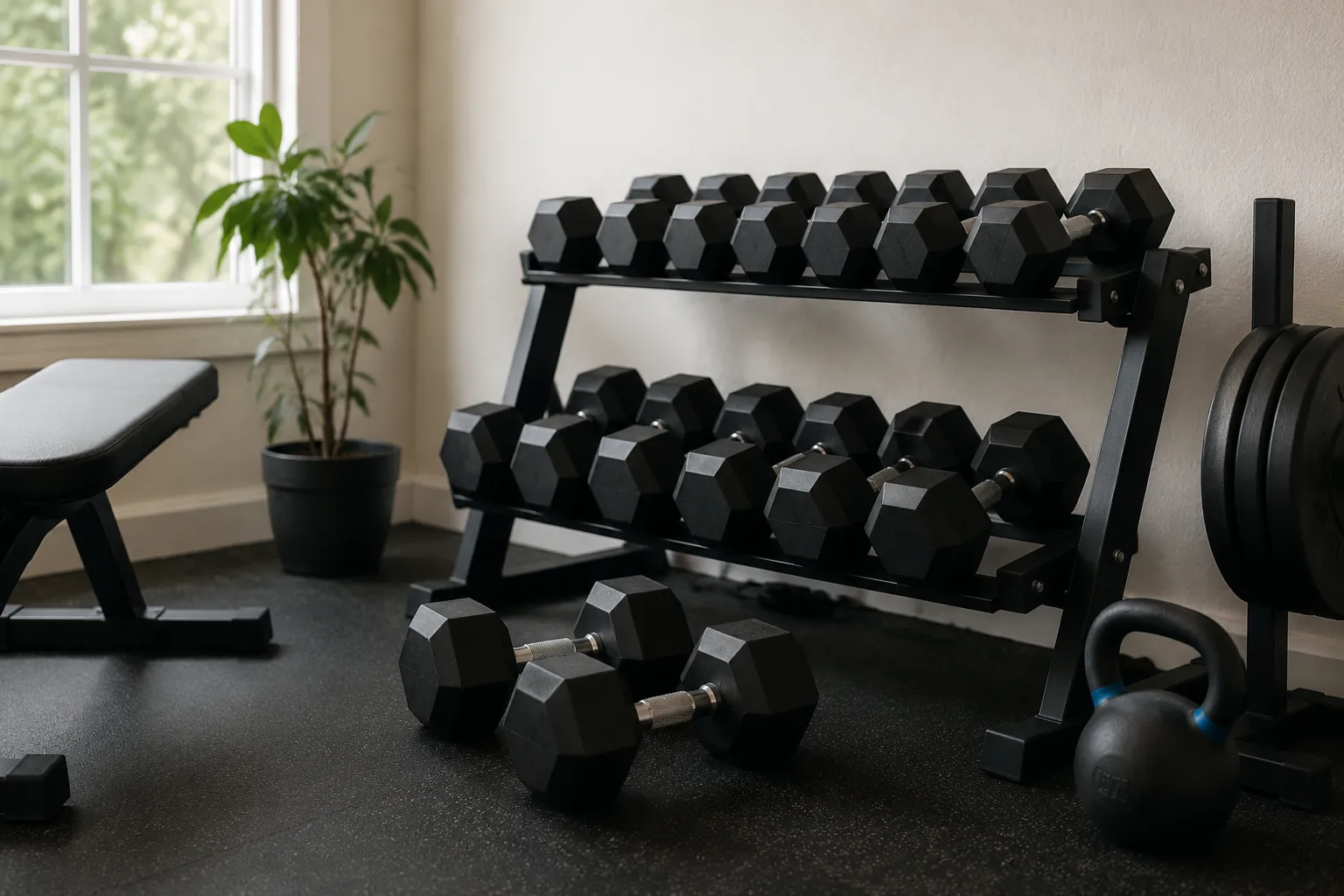
The dumbbell aisle of a sporting goods store is a study in false promise.

Walk into any commercial gym and the floor is divided into two kingdoms. On one side, racks of dumbbells and barbells, chalk dust on the rubber, plates leaning against the walls.

The squat looks simple: bend the knees, lower the hips, stand back up. That apparent simplicity is why so many people get it wrong for years.

Three sets of ten. It is the phrase printed on a thousand laminated cards taped to the walls of gyms, and it is the reason most beginner workout plans die by the second week.

Six in the morning is a hostile hour. The bed is warm, the floor is cold, and the gym is a twenty-minute drive through traffic that has not yet decided whether to be bad or merely annoying.

Gym memberships in the United States peaked somewhere north of 70 million people before the pandemic, and the number has been climbing back ever since.
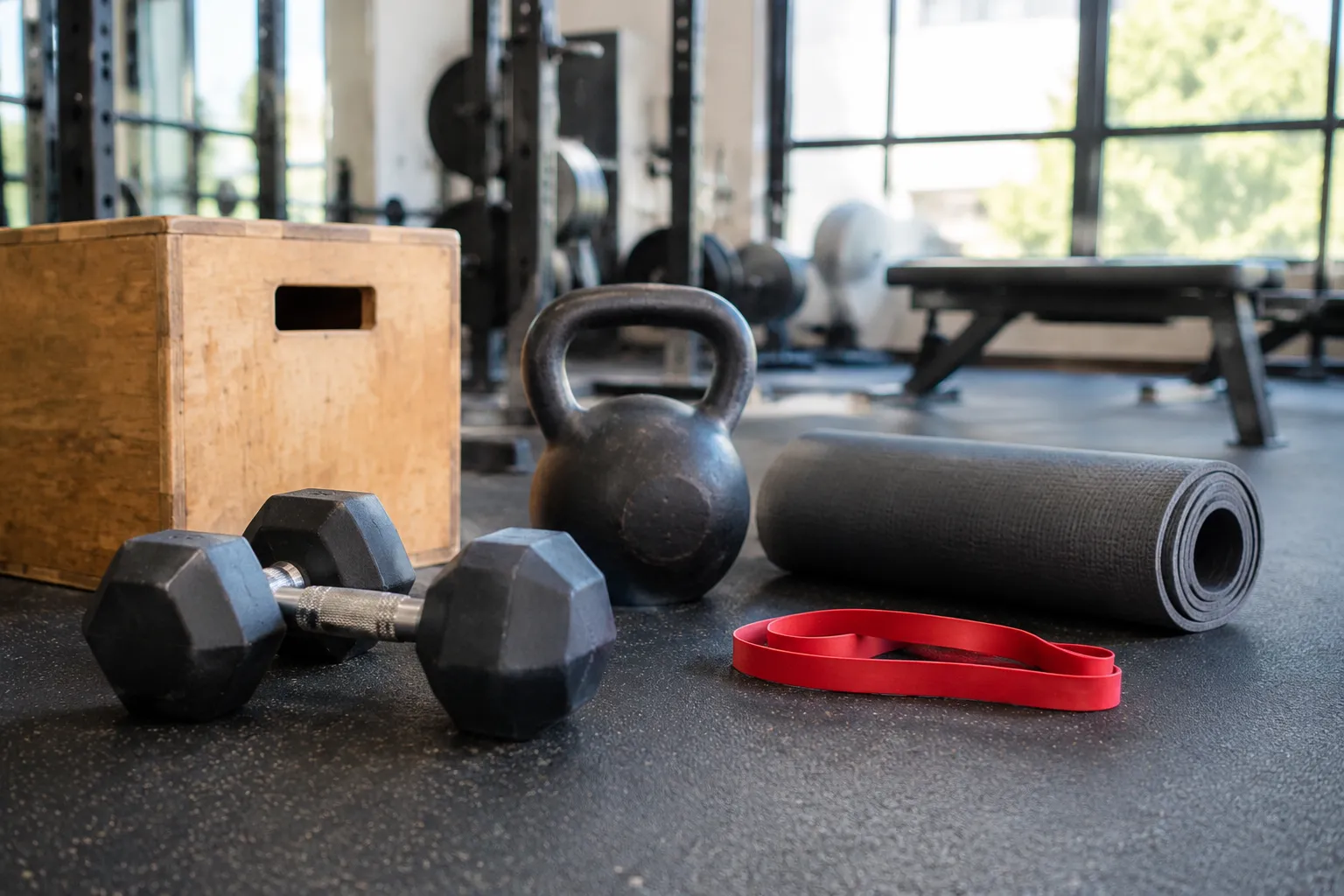
Most gym floors are arranged as a kind of silent exam. Rows of chrome and black rubber sit waiting, each machine calibrated for a body that already knows what it is doing.

Most weekly workout plans fail on Thursday. The Thursday failure is not a scheduling problem, though it looks like one.